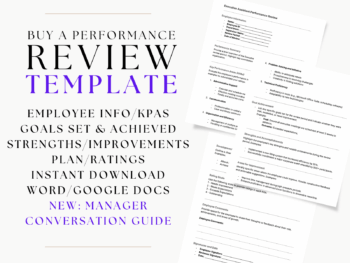
Do you need a 911 Dispatcher performance review template but don’t where to start? Buy our expertly crafted template – best-practice action, planning & rating items for conducting a performance review – in Word/Docs format and save yourself over 2 hours of research, writing, and formatting. Trusted by some of the world’s leading companies, this template is ready for instant download to ensure nothing gets missed & to streamline the performance review process with your 911 Dispatcher.


911 Dispatcher Performance Review Template
$9
911 Dispatcher Performance Review Example
Are you looking for help setting up a performance review checklist so that when you have your HR review meeting with your 911 Dispatcher, you can ensure you’re covering all the best practice areas? In the outline below, we give an outline of each section of the performance review template with tips, including employee information, performance summary, KPAs for your 911 Dispatcher, goal achievement, strengths and accomplishments, areas for improvement, performance review comments, a development plan and more.
Employee Information
Basic details such as name, job title (911 Dispatcher), department, review period, and reviewer’s name. This sets the context and ensures accurate documentation.

Performance Summary
In the Performance Summary section for a 911 Dispatcher, it is essential to highlight the employee’s ability to handle high-pressure situations with composure and efficiency. The summary should reflect their proficiency in accurately assessing emergency calls, prioritizing responses, and dispatching appropriate services swiftly. It should also acknowledge their communication skills, both in terms of clarity with callers and coordination with emergency personnel. The review should note any improvements in response times or call handling, as well as their contribution to team morale and collaboration. Additionally, it is important to mention their adherence to protocols and any commendations received for exceptional service. Overall, the summary should capture the dispatcher’s impact on enhancing public safety and their role in maintaining the operational effectiveness of the emergency services team.
Key Performance Areas (KPAs)
In a performance review for a 911 dispatcher, the Key Performance Areas should encompass several critical aspects. Technical skills are paramount, assessing the dispatcher’s proficiency with communication systems and software used in emergency response. Productivity and efficiency are crucial, evaluating how swiftly and accurately the dispatcher handles calls and dispatches emergency services. Collaboration and communication skills are essential, focusing on the dispatcher’s ability to effectively communicate with callers, emergency personnel, and team members. Quality of work is another vital area, examining the dispatcher’s attention to detail, adherence to protocols, and ability to remain calm under pressure. These KPAs ensure that the dispatcher’s performance aligns with the demanding requirements of emergency services, providing constructive feedback to enhance their role-specific competencies.
Goal Achievement
In the Goal Achievement section of a performance review for a 911 dispatcher, it is crucial to assess the dispatcher’s ability to effectively manage emergency calls and coordinate timely responses. This includes evaluating their adherence to protocols, accuracy in information gathering, and efficiency in dispatching appropriate emergency services. The review should highlight the dispatcher’s success in meeting response time targets and maintaining composure under pressure. It is also important to consider their ability to handle high call volumes and complex situations while ensuring clear communication with both callers and emergency personnel. Identifying areas where the dispatcher excelled, as well as any challenges faced, can help determine if additional training or resources are needed to enhance performance and support professional growth.
Strengths and Accomplishments
In the Strengths and Accomplishments section of a performance review for a 911 Dispatcher, it is essential to highlight their exceptional communication skills, which enable them to effectively gather critical information and provide clear instructions during high-pressure situations. Their ability to remain calm and composed under stress is crucial in managing emergency calls efficiently. Recognizing their quick decision-making and problem-solving capabilities is important, as these skills ensure timely and accurate dispatch of emergency services. Additionally, acknowledging their proficiency in using dispatch technology and systems demonstrates their technical competence. Celebrating specific instances where their actions directly contributed to successful emergency responses or saved lives can further validate their contributions. Overall, emphasizing these strengths and accomplishments not only reinforces their vital role in emergency services but also boosts their motivation and job satisfaction.
Areas for Improvement
In the Areas for Improvement section of a performance review for a 911 dispatcher, it is important to focus on enhancing skills that are crucial for effective emergency response. Emphasize the need for improved communication clarity and speed, as these are vital in high-pressure situations. Highlight any instances where multitasking could be more efficient, suggesting techniques for better prioritization of tasks. Encourage the dispatcher to engage in stress management practices to maintain composure during intense calls. If applicable, suggest further training in technology used in dispatch systems to ensure proficiency. Provide specific examples where these improvements could have made a difference, while also acknowledging the challenges of the role. This approach aims to foster growth by offering constructive feedback that is both supportive and actionable, ultimately enhancing their performance and confidence in handling emergencies.
Development Plan and Goals for the Next Period
In the Development Plan and Goals for the Next Period section of a performance review for a 911 dispatcher, it is essential to focus on enhancing both technical skills and personal development to align with organizational objectives. This could involve setting goals for advanced training in emergency response protocols and communication technologies, as well as pursuing certifications in crisis management. Additionally, mentorship opportunities with experienced dispatchers can be valuable for skill refinement. Specific performance objectives should be framed as SMART goals, such as reducing call response times by a certain percentage within six months or improving accuracy in data entry. These goals should be designed to enhance the dispatcher’s ability to manage high-pressure situations effectively while contributing to the overall efficiency and reliability of the emergency services team.
Rating Scale
A rating scale (e.g., 1-5 or “Needs Improvement” to “Exceeds Expectations”) standardizes feedback and makes performance levels more understandable.
Employee Comments
A space for your 911 Dispatcher employee to share their thoughts, feedback, or concerns about their review. This encourages dialogue and helps employees feel engaged in the process.
Signatures and Date
Signatures from both the 911 Dispatcher employee and reviewer indicate that the review was discussed and agreed upon, making it official and fostering accountability.
Building your 911 Dispatcher Performance Review template
From reading through the items in the example 911 Dispatcher checklist template above, you’ll now have an idea of how you can apply best practices to running 911 Dispatcher performance review meetings. Need help getting started? Scroll up to get a template that will save you hours of time.
Updating…