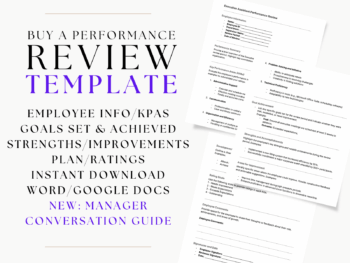
Do you need a Acupuncturist performance review template but don’t where to start? Buy our expertly crafted template – best-practice action, planning & rating items for conducting a performance review – in Word/Docs format and save yourself over 2 hours of research, writing, and formatting. Trusted by some of the world’s leading companies, this template is ready for instant download to ensure nothing gets missed & to streamline the performance review process with your Acupuncturist.


Acupuncturist Performance Review Template
$19
Acupuncturist Performance Review Example
Are you looking for help setting up a performance review checklist so that when you have your HR review meeting with your Acupuncturist, you can ensure you’re covering all the best practice areas? In the outline below, we give an outline of each section of the performance review template with tips, including employee information, performance summary, KPAs for your Acupuncturist, goal achievement, strengths and accomplishments, areas for improvement, performance review comments, a development plan and more.
Employee Information
Basic details such as name, job title (Acupuncturist), department, review period, and reviewer’s name. This sets the context and ensures accurate documentation.

Performance Summary
In the Performance Summary section for an acupuncturist, it is essential to highlight the practitioner’s proficiency in delivering effective patient care and their ability to tailor treatments to individual needs. The summary should reflect the acupuncturist’s success in building strong patient relationships, contributing to positive health outcomes, and maintaining high patient satisfaction levels. It should also note their commitment to staying updated with the latest acupuncture techniques and healthcare practices, as well as their collaboration with other healthcare professionals to ensure comprehensive patient care. Additionally, the summary should acknowledge any contributions to the clinic’s growth, such as attracting new patients or enhancing service offerings, and their role in fostering a supportive and professional work environment. Overall, the summary should capture the acupuncturist’s dedication to improving patient well-being and their positive impact on the healthcare team.
Key Performance Areas (KPAs)
In a performance review for an acupuncturist, the Key Performance Areas should encompass several critical aspects. Technical skills are paramount, assessing the practitioner’s proficiency in acupuncture techniques and their ability to apply them effectively to treat patients. Productivity and efficiency should be evaluated by examining the acupuncturist’s ability to manage their schedule, handle patient volume, and maintain timely treatment sessions. Collaboration and communication are essential, focusing on how well the acupuncturist interacts with patients, colleagues, and other healthcare professionals to ensure comprehensive care. Quality of work is crucial, assessing the accuracy of diagnoses, treatment outcomes, and adherence to safety and hygiene standards. These KPAs provide a comprehensive evaluation of the acupuncturist’s role-specific competencies and their alignment with job requirements, offering targeted feedback for professional development.
Goal Achievement
In the Goal Achievement section of a performance review for an acupuncturist, it is important to assess the progress made toward patient care objectives, such as improving patient outcomes and satisfaction. This includes evaluating the acupuncturist’s ability to effectively implement treatment plans and adapt techniques to meet individual patient needs. Consideration should be given to their success in maintaining or increasing patient retention and referrals, as well as their contribution to the clinic’s overall goals, such as expanding service offerings or enhancing community outreach. Additionally, the review should address the acupuncturist’s commitment to professional development, including any completed certifications or training that enhance their skills. Identifying areas where the acupuncturist excels and where they may need additional support or resources will help guide future goal-setting and professional growth.
Strengths and Accomplishments
In the Strengths and Accomplishments section of a performance review for an acupuncturist, it is important to highlight their expertise in traditional Chinese medicine and their ability to effectively diagnose and treat a variety of conditions. Emphasize their strong patient communication skills, which foster trust and enhance patient satisfaction. Recognize their commitment to continuing education and staying updated with the latest techniques and research in acupuncture. Acknowledge their success in building a loyal patient base and contributing to the clinic’s reputation for holistic care. Highlight any specific achievements, such as positive patient outcomes, successful collaborations with other healthcare professionals, or contributions to community health initiatives. By recognizing these strengths and accomplishments, the review can reinforce the acupuncturist’s valuable role in the healthcare team and encourage continued professional growth.
Areas for Improvement
In the Areas for Improvement section of a performance review for an acupuncturist, it is important to focus on enhancing both technical skills and patient interaction. Constructive feedback might address the need for refining diagnostic techniques or expanding knowledge of emerging acupuncture methods to stay current with industry advancements. Additionally, improving communication skills can be beneficial, ensuring that patients fully understand their treatment plans and feel comfortable discussing their concerns. For instance, encouraging the acupuncturist to engage in active listening during consultations can enhance patient trust and satisfaction. Emphasizing the importance of maintaining meticulous records can also be highlighted, as accurate documentation is crucial in healthcare. By providing specific examples and actionable suggestions, this section should aim to inspire professional growth while maintaining a supportive tone.
Development Plan and Goals for the Next Period
In the Development Plan and Goals for the Next Period section of a performance review for an acupuncturist, it is essential to outline goals that enhance both clinical skills and patient care. This could involve pursuing advanced training or certifications in specialized acupuncture techniques to broaden treatment options. Additionally, setting SMART goals such as increasing patient satisfaction scores by a specific percentage within a set timeframe can align with organizational objectives. Encouraging participation in mentorship programs can also foster professional growth and knowledge sharing. Furthermore, goals might include improving documentation accuracy and efficiency to enhance patient records management. These steps not only support the acupuncturist’s personal development but also contribute to the overall success and reputation of the healthcare facility.
Rating Scale
A rating scale (e.g., 1-5 or “Needs Improvement” to “Exceeds Expectations”) standardizes feedback and makes performance levels more understandable.
Employee Comments
A space for your Acupuncturist employee to share their thoughts, feedback, or concerns about their review. This encourages dialogue and helps employees feel engaged in the process.
Signatures and Date
Signatures from both the Acupuncturist employee and reviewer indicate that the review was discussed and agreed upon, making it official and fostering accountability.
Building your Acupuncturist Performance Review template
From reading through the items in the example Acupuncturist checklist template above, you’ll now have an idea of how you can apply best practices to running Acupuncturist performance review meetings. Need help getting started? Scroll up to get a template that will save you hours of time.

Updating…