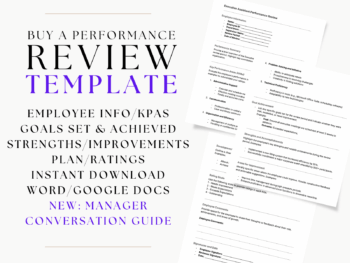
Do you need a Agricultural Technician performance review template but don’t where to start? Buy our expertly crafted template – best-practice action, planning & rating items for conducting a performance review – in Word/Docs format and save yourself over 2 hours of research, writing, and formatting. Trusted by some of the world’s leading companies, this template is ready for instant download to ensure nothing gets missed & to streamline the performance review process with your Agricultural Technician.


Agricultural Technician Performance Review Template
$19
Agricultural Technician Performance Review Example
Are you looking for help setting up a performance review checklist so that when you have your HR review meeting with your Agricultural Technician, you can ensure you’re covering all the best practice areas? In the outline below, we give an outline of each section of the performance review template with tips, including employee information, performance summary, KPAs for your Agricultural Technician, goal achievement, strengths and accomplishments, areas for improvement, performance review comments, a development plan and more.
Employee Information
Basic details such as name, job title (Agricultural Technician), department, review period, and reviewer’s name. This sets the context and ensures accurate documentation.

Performance Summary
In the Performance Summary section for an Agricultural Technician, the review should encapsulate the employee’s overall effectiveness in supporting agricultural research and production activities. It should highlight their proficiency in conducting experiments, collecting and analyzing data, and maintaining equipment. The summary should also reflect their ability to collaborate with team members and contribute to the development of innovative agricultural solutions. Observations on their adaptability to new technologies and methods, as well as their commitment to safety and sustainability practices, are essential. Additionally, the summary should acknowledge any significant contributions to improving crop yields or efficiency in operations, underscoring their impact on the team’s success and the organization’s goals. Overall, this section should provide a concise yet comprehensive view of the technician’s achievements and areas for growth.
Key Performance Areas (KPAs)
In a performance review for an Agricultural Technician, the Key Performance Areas should encompass several critical aspects. Technical Skills are paramount, assessing the technician’s proficiency in using agricultural equipment and technology, as well as their ability to conduct experiments and collect data accurately. Productivity and Efficiency should evaluate how effectively the technician manages their time and resources to maximize output. Collaboration and Communication are essential, focusing on the technician’s ability to work well with team members, farmers, and other stakeholders, as well as their skill in conveying complex information clearly. Quality of Work is crucial, examining the precision and reliability of their research and fieldwork. These KPAs collectively ensure that the technician’s performance aligns with the industry’s standards and the specific demands of their role, providing a comprehensive evaluation framework.
Goal Achievement
In the Goal Achievement section of a performance review for an Agricultural Technician, it is important to assess the progress made toward previously established objectives, such as improving crop yield, implementing sustainable farming practices, or enhancing data collection methods. This evaluation should consider the technician’s ability to apply scientific knowledge and technical skills effectively in the field, as well as their capacity to adapt to changing environmental conditions and technological advancements. Highlighting successful projects and identifying areas where goals were met or exceeded can provide insight into the technician’s strengths. Conversely, discussing any unmet goals can help pinpoint challenges faced, such as resource limitations or skill gaps, and determine where additional training or support may be beneficial. This comprehensive analysis aids in understanding the technician’s overall effectiveness and alignment with the organization’s agricultural objectives.
Strengths and Accomplishments
In the Strengths and Accomplishments section of a performance review for an Agricultural Technician, it is important to highlight their expertise in conducting field research and experiments that contribute to improved agricultural practices. Emphasize their proficiency in using advanced technology and equipment to collect and analyze data, which supports the development of innovative solutions for crop management. Recognize their ability to work collaboratively with scientists and farmers, demonstrating strong communication and problem-solving skills. Acknowledge their commitment to sustainability and efficiency, as evidenced by successful implementation of environmentally friendly techniques that enhance productivity. Highlight any specific projects where their contributions led to measurable improvements in yield or resource conservation. By recognizing these strengths and accomplishments, you validate their essential role in advancing agricultural practices and encourage continued excellence in their work.
Areas for Improvement
In the Areas for Improvement section of a performance review for an Agricultural Technician, it is important to focus on enhancing both technical skills and interpersonal abilities. Emphasize the need for further development in areas such as data collection accuracy and the application of new agricultural technologies, which are crucial for optimizing crop yield and resource management. Encourage the technician to seek additional training or workshops to stay updated with industry advancements. Highlight the importance of improving communication skills, particularly in effectively conveying research findings to team members and stakeholders. Provide specific examples, such as instances where data interpretation could have been more precise or where collaboration with colleagues could have been more effective. By offering constructive feedback with actionable steps, the review should inspire the technician to pursue continuous learning and professional growth.
Development Plan and Goals for the Next Period
In the Development Plan and Goals for the Next Period section of a performance review for an Agricultural Technician, it is essential to outline goals that enhance both technical skills and overall performance. This could involve pursuing certifications in advanced agricultural technologies or participating in workshops focused on sustainable farming practices. Additionally, setting SMART goals such as increasing crop yield by a specific percentage within a defined timeframe or implementing a new data collection method to improve efficiency can align with organizational objectives. Mentorship opportunities with senior agronomists could also be beneficial for professional growth. These steps should be designed to not only advance the technician’s expertise but also contribute to the organization’s success in sustainable and efficient agricultural production.
Rating Scale
A rating scale (e.g., 1-5 or “Needs Improvement” to “Exceeds Expectations”) standardizes feedback and makes performance levels more understandable.
Employee Comments
A space for your Agricultural Technician employee to share their thoughts, feedback, or concerns about their review. This encourages dialogue and helps employees feel engaged in the process.
Signatures and Date
Signatures from both the Agricultural Technician employee and reviewer indicate that the review was discussed and agreed upon, making it official and fostering accountability.
Building your Agricultural Technician Performance Review template
From reading through the items in the example Agricultural Technician checklist template above, you’ll now have an idea of how you can apply best practices to running Agricultural Technician performance review meetings. Need help getting started? Scroll up to get a template that will save you hours of time.
Updating…