Do you need a Associate Attorney performance review template but don’t where to start? Use our purpose-built performance review app to plan, conduct and track every stage of the review process in one place – from preparation and meeting notes to ratings, goals and follow-ups. Built around best-practice review workflows, it helps you stay organised, save time and make sure nothing gets missed when conducting a performance review for your Associate Attorney.

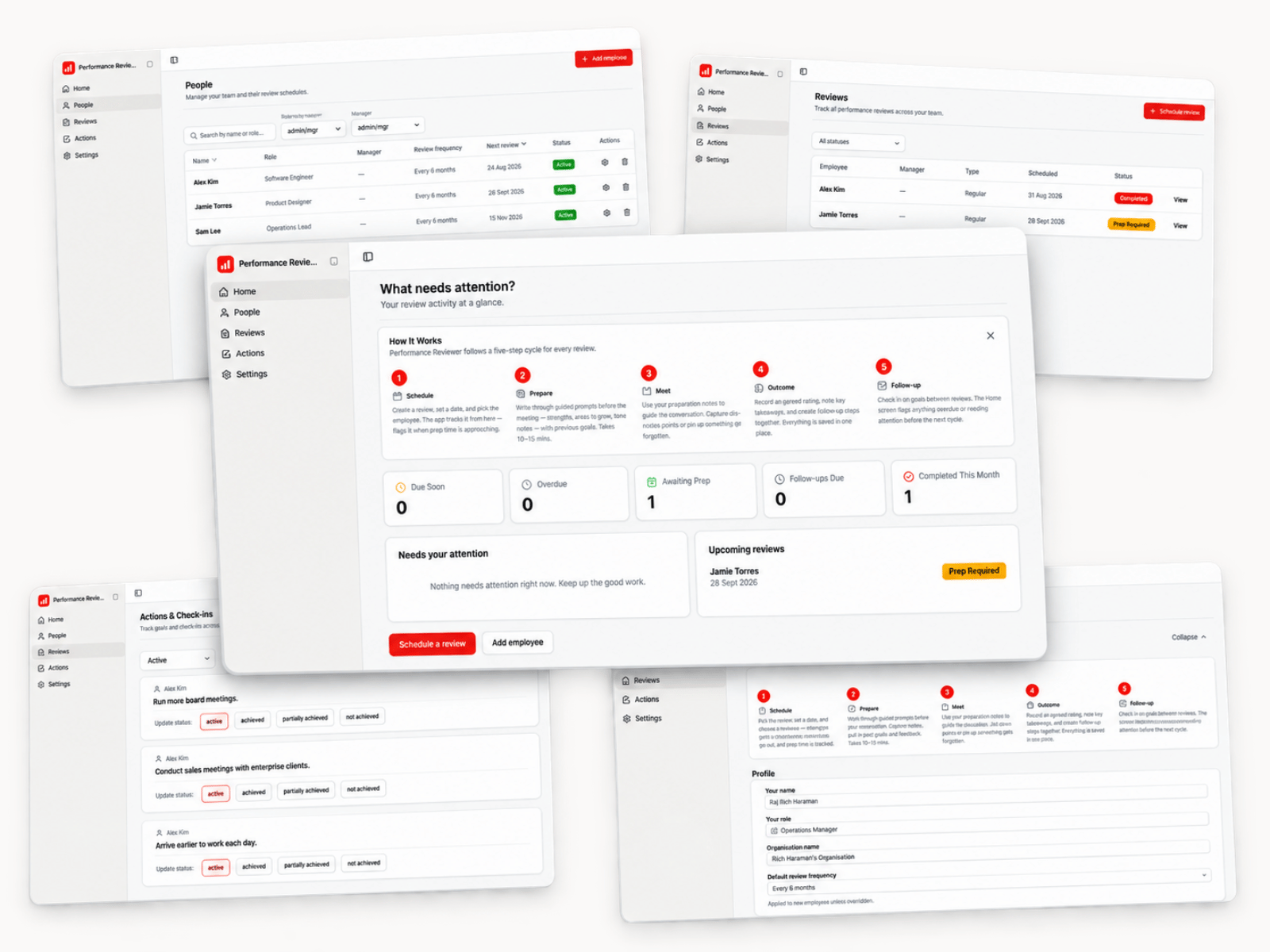
Associate Attorney Performance Review Template
Associate Attorney Performance Review Example
Are you looking for help setting up a performance review checklist so that when you have your HR review meeting with your Associate Attorney, you can ensure you’re covering all the best practice areas? In the outline below, we give an outline of each section of the performance review template with tips, including employee information, performance summary, KPAs for your Associate Attorney, goal achievement, strengths and accomplishments, areas for improvement, performance review comments, a development plan and more.
Employee Information
Basic details such as name, job title (Associate Attorney), department, review period, and reviewer’s name. This sets the context and ensures accurate documentation.
Performance Summary
In the Performance Summary section for an Associate Attorney, the review should encapsulate the attorney’s overall effectiveness in handling legal cases, including their ability to conduct thorough research, draft precise legal documents, and present compelling arguments. It should highlight their contributions to successful case outcomes and their role in supporting senior attorneys and clients. The summary should also address the attorney’s adherence to ethical standards and their ability to manage time effectively under pressure. Observations on their collaboration with colleagues and responsiveness to feedback are essential, as is their commitment to professional development. Overall, the summary should reflect the attorney’s impact on the firm’s success and their potential for future growth within the organization.
Key Performance Areas (KPAs)
In a performance review for an Associate Attorney, the Key Performance Areas should encompass several critical aspects. Technical Skills should evaluate the attorney’s legal research, writing, and analytical abilities, ensuring they effectively apply legal principles. Productivity and Efficiency should assess their ability to manage caseloads, meet deadlines, and prioritize tasks. Collaboration and Communication should focus on their interactions with colleagues, clients, and other stakeholders, highlighting their ability to work within a team and convey complex legal concepts clearly. Quality of Work should examine the accuracy, thoroughness, and professionalism of their legal documents and case preparations. These KPAs provide a comprehensive assessment of the attorney’s competencies, aligning their performance with the firm’s expectations and legal standards.
Goal Achievement
In the Goal Achievement section of a performance review for an Associate Attorney, it is important to assess the progress made toward previously established objectives, such as case management efficiency, client satisfaction, and legal research proficiency. This evaluation should consider the attorney’s ability to meet deadlines, the quality of their legal writing, and their contribution to successful case outcomes. Additionally, it should reflect on their development in areas like negotiation skills and courtroom presence. Identifying areas where the associate has excelled can highlight strengths, while recognizing challenges can pinpoint where further training or mentorship might be beneficial. This comprehensive review not only measures the attorney’s effectiveness and follow-through but also helps in aligning their professional growth with the firm’s strategic goals, ensuring both individual and organizational success.
Strengths and Accomplishments
In the Strengths and Accomplishments section of a performance review for an Associate Attorney, it is important to highlight their analytical skills, attention to detail, and ability to manage complex legal research and case preparation. Recognize their effective communication skills, both in writing and orally, which contribute to successful client interactions and courtroom presentations. Acknowledge their ability to work collaboratively with senior attorneys and support staff, demonstrating leadership potential and teamwork. Highlight any significant cases they have contributed to, particularly those with favorable outcomes or innovative legal strategies. Additionally, mention their commitment to professional development, such as attending legal seminars or obtaining certifications, which enhances their expertise and value to the firm. Recognizing these strengths and accomplishments not only validates their contributions but also encourages continued growth and motivation in their legal career.
Areas for Improvement
In the Areas for Improvement section of a performance review for an Associate Attorney, it is important to provide constructive feedback that encourages growth while maintaining motivation. Focus on specific skills or behaviors that could benefit from further development, such as enhancing legal research efficiency, improving time management to meet deadlines more consistently, or refining oral advocacy skills for courtroom presentations. Offer examples, like a recent case where more thorough preparation could have strengthened the argument. Additionally, suggest actionable steps, such as attending workshops or seeking mentorship from senior attorneys, to support their professional development. Emphasize that these improvements are part of a natural growth process in their legal career, aiming to enhance their contributions to the firm and their overall career trajectory.
Development Plan and Goals for the Next Period
In the Development Plan and Goals for the Next Period section of a performance review for an Associate Attorney, it is essential to outline objectives that enhance both legal expertise and professional growth. This may include pursuing specialized training or certifications in emerging areas of law to stay competitive and relevant. Additionally, setting SMART goals such as increasing billable hours by a specific percentage, successfully managing a certain number of cases, or contributing to client acquisition efforts can align personal development with firm objectives. Mentorship opportunities should also be considered to foster guidance and support from senior attorneys, enhancing skills in litigation, negotiation, or client relations. These goals should be revisited regularly to ensure they remain aligned with both the associate’s career aspirations and the firm’s strategic direction.
Rating Scale
A rating scale (e.g., 1-5 or “Needs Improvement” to “Exceeds Expectations”) standardizes feedback and makes performance levels more understandable.
Employee Comments
A space for your Associate Attorney employee to share their thoughts, feedback, or concerns about their review. This encourages dialogue and helps employees feel engaged in the process.
Signatures and Date
Signatures from both the Associate Attorney employee and reviewer indicate that the review was discussed and agreed upon, making it official and fostering accountability.
Building your Associate Attorney Performance Review template
From reading through the items in the example Associate Attorney checklist template above, you’ll now have an idea of how you can apply best practices to running Associate Attorney performance review meetings. Need help getting started? Scroll up to get a template that will save you hours of time.

Updating…