Do you need a Musical Instrument Tuner performance review template but don’t where to start? Use our purpose-built performance review app to plan, conduct and track every stage of the review process in one place – from preparation and meeting notes to ratings, goals and follow-ups. Built around best-practice review workflows, it helps you stay organised, save time and make sure nothing gets missed when conducting a performance review for your Musical Instrument Tuner.

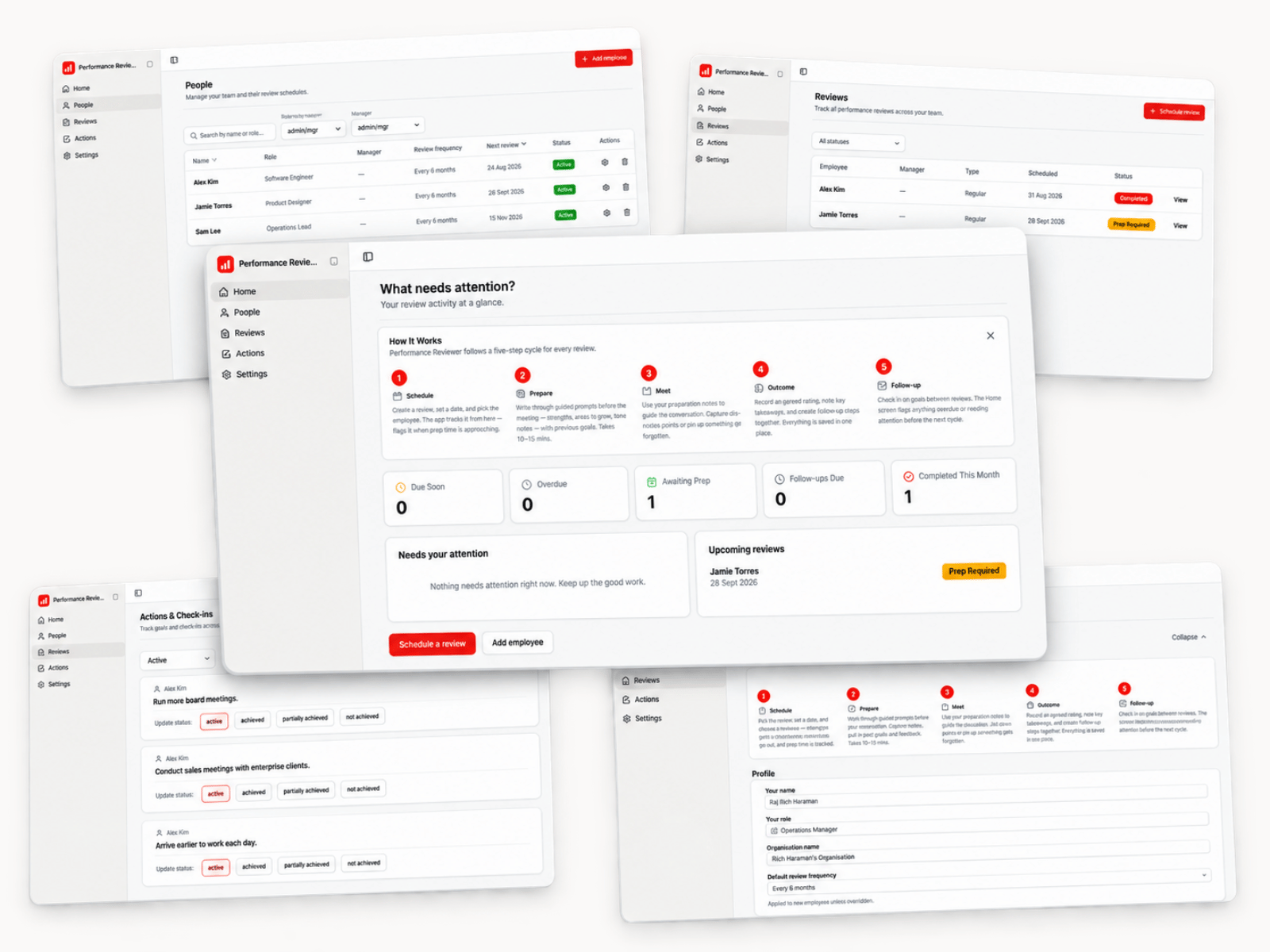
Musical Instrument Tuner Performance Review Template
Musical Instrument Tuner Performance Review Example
Are you looking for help setting up a performance review checklist so that when you have your HR review meeting with your Musical Instrument Tuner, you can ensure you’re covering all the best practice areas? In the outline below, we give an outline of each section of the performance review template with tips, including employee information, performance summary, KPAs for your Musical Instrument Tuner, goal achievement, strengths and accomplishments, areas for improvement, performance review comments, a development plan and more.
Employee Information
Basic details such as name, job title (Musical Instrument Tuner), department, review period, and reviewer’s name. This sets the context and ensures accurate documentation.
Performance Summary
In the Performance Summary section for a Musical Instrument Tuner in the Arts/Entertainment industry, it is essential to highlight the individual’s precision and expertise in tuning a variety of instruments, ensuring optimal sound quality for performances and recordings. The summary should acknowledge their ability to work efficiently under time constraints, often in high-pressure environments, while maintaining a keen attention to detail. It should also recognize their contributions to enhancing the overall auditory experience for audiences and performers alike. Additionally, the summary should reflect on their collaboration with musicians and other team members, showcasing their communication skills and adaptability. Overall, the review should capture the tuner’s dedication to their craft and their impact on the success of musical events and productions.
Key Performance Areas (KPAs)
In a performance review for a Musical Instrument Tuner in the Arts/Entertainment industry, the Key Performance Areas should encompass several critical aspects. Technical Skills are paramount, focusing on the tuner’s ability to accurately tune a variety of instruments to industry standards. Productivity and Efficiency should assess how effectively the tuner manages their time and workload, ensuring instruments are tuned promptly without compromising quality. Collaboration and Communication are essential, as the tuner must work closely with musicians, technicians, and other stakeholders, requiring clear and effective communication. Quality of Work evaluates the precision and consistency of the tuning, ensuring instruments produce the desired sound quality. These KPAs provide a comprehensive evaluation of the tuner’s role-specific competencies, aligning their performance with the demands of their position in the arts and entertainment sector.
Goal Achievement
In the Goal Achievement section of a performance review for a Musical Instrument Tuner in the Arts/Entertainment industry, it is important to assess the progress made toward previously set goals, such as the number of instruments tuned, the quality and precision of tuning, and adherence to scheduled appointments. This evaluation should consider the tuner’s ability to maintain or improve the sound quality of instruments, their responsiveness to client feedback, and their efficiency in managing time and resources. Additionally, it should highlight any innovative techniques or tools the tuner has adopted to enhance their work. Identifying areas where the tuner excels can reinforce effective practices, while recognizing challenges or unmet goals can guide discussions on additional training or support needed to improve performance and meet future expectations.
Strengths and Accomplishments
In the Strengths and Accomplishments section of a performance review for a Musical Instrument Tuner in the Arts/Entertainment industry, it is important to highlight the employee’s exceptional ear for pitch and tone, which ensures instruments are tuned to perfection. Their meticulous attention to detail and precision in adjusting instruments contribute significantly to the quality of performances. Recognize their ability to work efficiently under pressure, especially during tight schedules before concerts or events. Acknowledge their strong communication skills, which facilitate effective collaboration with musicians and other team members. Highlight any notable achievements, such as successfully tuning instruments for high-profile performances or receiving positive feedback from renowned artists. By emphasizing these strengths and accomplishments, the review reinforces the employee’s vital role in enhancing the overall musical experience, boosting their motivation and job satisfaction.
Areas for Improvement
In the Areas for Improvement section of a performance review for a Musical Instrument Tuner, it is important to provide constructive feedback that encourages growth while maintaining motivation. Focus on enhancing technical precision and efficiency, perhaps suggesting further training in advanced tuning techniques or new technologies that could streamline the tuning process. Highlight the importance of developing stronger communication skills to better understand and meet client expectations, using specific instances where clarity could have improved outcomes. Encourage the tuner to expand their repertoire by familiarizing themselves with a wider range of instruments, which could increase their versatility and marketability. Emphasize the value of time management skills to handle appointments more effectively, ensuring punctuality and reliability. By offering actionable insights, the review should inspire the tuner to pursue professional development opportunities that align with their career goals.
Development Plan and Goals for the Next Period
In the Development Plan and Goals for the Next Period section of a performance review for a Musical Instrument Tuner in the Arts/Entertainment industry, it is essential to outline goals that enhance both technical skills and professional growth. This could involve pursuing advanced training or certifications in tuning techniques for a broader range of instruments, ensuring precision and quality. Additionally, setting SMART goals such as increasing the number of instruments tuned per week by a specific percentage or improving customer satisfaction scores can align with organizational objectives. Engaging in mentorship opportunities with seasoned tuners can also provide valuable insights and foster skill development. These steps not only support the employee’s growth but also contribute to the overall success and reputation of the organization in delivering high-quality musical experiences.
Rating Scale
A rating scale (e.g., 1-5 or “Needs Improvement” to “Exceeds Expectations”) standardizes feedback and makes performance levels more understandable.
Employee Comments
A space for your Musical Instrument Tuner employee to share their thoughts, feedback, or concerns about their review. This encourages dialogue and helps employees feel engaged in the process.
Signatures and Date
Signatures from both the Musical Instrument Tuner employee and reviewer indicate that the review was discussed and agreed upon, making it official and fostering accountability.
Building your Musical Instrument Tuner Performance Review template
From reading through the items in the example Musical Instrument Tuner checklist template above, you’ll now have an idea of how you can apply best practices to running Musical Instrument Tuner performance review meetings. Need help getting started? Scroll up to get a template that will save you hours of time.

Updating…