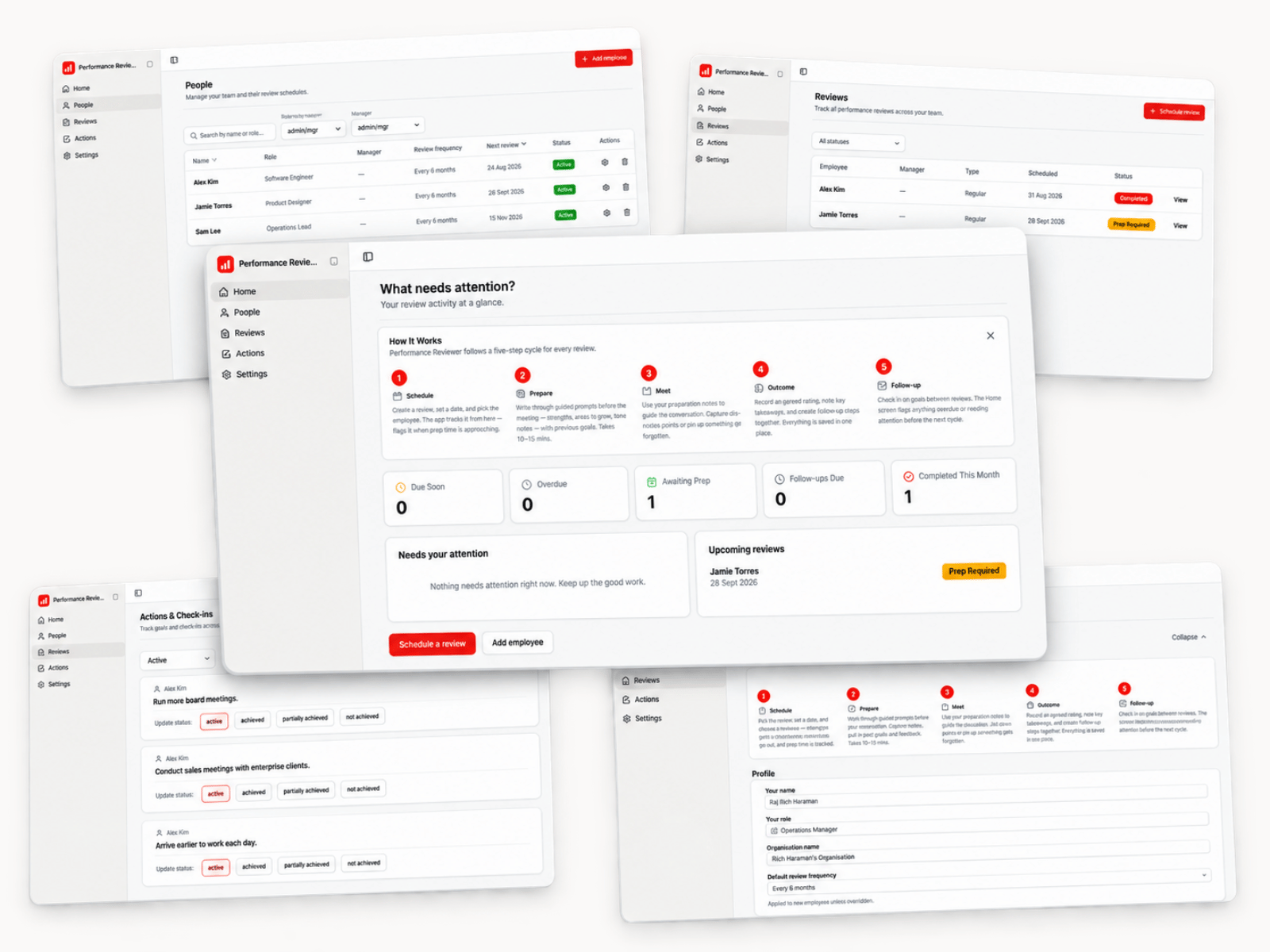
Do you need a Special Effects Artist performance review template but don’t where to start? Use our purpose-built performance review app to plan, conduct and track every stage of the review process in one place – from preparation and meeting notes to ratings, goals and follow-ups. Built around best-practice review workflows, it helps you stay organised, save time and make sure nothing gets missed when conducting a performance review for your Special Effects Artist.

Special Effects Artist Performance Review Template
Special Effects Artist Performance Review Example
Are you looking for help setting up a performance review checklist so that when you have your HR review meeting with your Special Effects Artist, you can ensure you’re covering all the best practice areas? In the outline below, we give an outline of each section of the performance review template with tips, including employee information, performance summary, KPAs for your Special Effects Artist, goal achievement, strengths and accomplishments, areas for improvement, performance review comments, a development plan and more.
Employee Information
Basic details such as name, job title (Special Effects Artist), department, review period, and reviewer’s name. This sets the context and ensures accurate documentation.
Performance Summary
In the Performance Summary section for a Special Effects Artist, it is essential to highlight the individual’s creativity and technical proficiency in delivering visually compelling effects that enhance storytelling. The summary should acknowledge their ability to collaborate effectively with directors, producers, and other team members to achieve the desired artistic vision. It should also note their adaptability in using various software and tools to meet project demands and deadlines. Emphasizing their problem-solving skills in overcoming technical challenges and their contribution to elevating the production’s overall quality is crucial. Additionally, the summary should reflect on their growth in artistic skills and any innovative techniques they have introduced, underscoring their impact on the team’s success and the organization’s reputation in the arts and entertainment industry.
Key Performance Areas (KPAs)
In a performance review for a Special Effects Artist in the Arts/Entertainment industry, the Key Performance Areas should encompass several critical aspects. Technical Skills are paramount, assessing the artist’s proficiency with industry-standard software and tools, as well as their ability to innovate and adapt to new technologies. Productivity and Efficiency should evaluate the artist’s ability to meet deadlines and manage time effectively while maintaining high-quality output. Collaboration and Communication are essential, as the artist must work closely with directors, producers, and other team members to ensure a cohesive vision. Quality of Work should focus on the creativity, originality, and attention to detail in the artist’s projects, ensuring they meet or exceed industry standards. These KPAs provide a comprehensive framework for evaluating the artist’s contributions and identifying areas for growth.
Goal Achievement
In the Goal Achievement section of a performance review for a Special Effects Artist in the Arts/Entertainment industry, it is important to assess the progress made toward previously set creative and technical goals. This includes evaluating the artist’s ability to deliver high-quality visual effects within project timelines and budgets, as well as their adaptability to evolving project requirements. Consideration should be given to their collaboration with other team members, such as directors and producers, and their contribution to the overall artistic vision. Additionally, the review should highlight any innovative techniques or tools the artist has successfully implemented. Identifying areas where the artist excelled and where they faced challenges will help determine if additional resources or training are needed to enhance their skills and effectiveness in future projects.
Strengths and Accomplishments
In the Strengths and Accomplishments section of a performance review for a Special Effects Artist in the Arts/Entertainment industry, it is important to highlight their creativity, technical proficiency, and problem-solving skills. Emphasize their ability to bring imaginative concepts to life through innovative techniques and cutting-edge technology. Acknowledge their contributions to successful projects, such as enhancing visual storytelling and creating memorable cinematic experiences. Recognize their collaboration with directors and other team members to achieve seamless integration of effects into the overall production. Additionally, mention any awards or industry recognition they have received, as well as their commitment to staying updated with the latest trends and tools in special effects. Celebrating these achievements not only validates their hard work but also encourages continued excellence and growth in their craft.
Areas for Improvement
In the Areas for Improvement section of a performance review for a Special Effects Artist, it is important to provide constructive feedback that encourages growth while maintaining motivation. Focus on specific skills or behaviors that could benefit from further development, such as enhancing proficiency with emerging software tools or improving collaboration with other departments to ensure seamless integration of effects. Highlight the importance of meeting deadlines without compromising creativity, and suggest ways to refine time management skills. Offer examples where attention to detail could be heightened to elevate the overall quality of work. Encourage the artist to seek feedback from peers to gain diverse perspectives and foster continuous learning. By providing actionable insights, the review should inspire the artist to embrace new challenges and advance their professional development in the dynamic arts and entertainment industry.
Development Plan and Goals for the Next Period
In the Development Plan and Goals for the Next Period section of a performance review for a Special Effects Artist in the arts and entertainment industry, it is essential to outline goals that foster both personal growth and alignment with the company’s creative vision. This could involve setting SMART goals such as mastering new software tools or techniques through targeted training sessions or obtaining relevant certifications to enhance technical skills. Additionally, the plan might include seeking mentorship from industry veterans to gain insights into innovative practices. Performance objectives could focus on completing specific projects that challenge the artist’s creativity and technical prowess, with clear deadlines to ensure timely delivery. By aligning these goals with organizational objectives, the artist can contribute more effectively to the team’s success while advancing their own career development.
Rating Scale
A rating scale (e.g., 1-5 or “Needs Improvement” to “Exceeds Expectations”) standardizes feedback and makes performance levels more understandable.
Employee Comments
A space for your Special Effects Artist employee to share their thoughts, feedback, or concerns about their review. This encourages dialogue and helps employees feel engaged in the process.
Signatures and Date
Signatures from both the Special Effects Artist employee and reviewer indicate that the review was discussed and agreed upon, making it official and fostering accountability.
Building your Special Effects Artist Performance Review template
From reading through the items in the example Special Effects Artist checklist template above, you’ll now have an idea of how you can apply best practices to running Special Effects Artist performance review meetings. Need help getting started? Scroll up to get a template that will save you hours of time.

Updating…