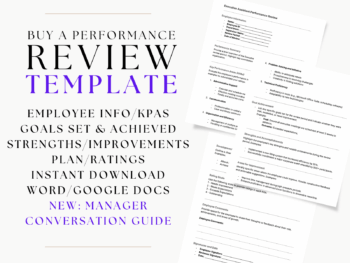
Do you need a Sports Coach performance review template but don’t where to start? Buy our expertly crafted template – best-practice action, planning & rating items for conducting a performance review – in Word/Docs format and save yourself over 2 hours of research, writing, and formatting. Trusted by some of the world’s leading companies, this template is ready for instant download to ensure nothing gets missed & to streamline the performance review process with your Sports Coach.


Sports Coach Performance Review Template
$19
Sports Coach Performance Review Example
Are you looking for help setting up a performance review checklist so that when you have your HR review meeting with your Sports Coach, you can ensure you’re covering all the best practice areas? In the outline below, we give an outline of each section of the performance review template with tips, including employee information, performance summary, KPAs for your Sports Coach, goal achievement, strengths and accomplishments, areas for improvement, performance review comments, a development plan and more.
Employee Information
Basic details such as name, job title (Sports Coach), department, review period, and reviewer’s name. This sets the context and ensures accurate documentation.

Performance Summary
In the Performance Summary section for a sports coach, it is essential to encapsulate the coach’s overall effectiveness in leading and developing the team during the review period. This includes highlighting their success in improving team performance, fostering player development, and achieving set goals. The summary should reflect the coach’s ability to strategize effectively, adapt to challenges, and maintain a positive team culture. It should also acknowledge their contributions to enhancing team cohesion and motivation, as well as their impact on individual athletes’ growth. Additionally, the summary should touch on the coach’s communication skills, leadership qualities, and any innovative approaches they have implemented. Overall, this section should provide a concise yet comprehensive view of the coach’s contributions to the team’s success and their alignment with the organization’s objectives.
Key Performance Areas (KPAs)
In a performance review for a sports coach, the Key Performance Areas should encompass several critical aspects. Technical skills are essential, evaluating the coach’s knowledge of the sport, ability to develop strategies, and effectiveness in training athletes. Productivity and efficiency should assess how well the coach manages time, resources, and team schedules to maximize performance outcomes. Collaboration and communication are vital, focusing on the coach’s ability to work with athletes, assistant coaches, and other stakeholders, fostering a positive and motivating environment. Quality of work should examine the coach’s success in achieving team goals, improving athlete performance, and maintaining high standards of sportsmanship. These KPAs provide a comprehensive evaluation of the coach’s role-specific competencies and their alignment with the team’s objectives.
Goal Achievement
In the Goal Achievement section of a performance review for a sports coach, it is crucial to assess the progress made toward previously established objectives, such as team performance, player development, and strategic implementation. This evaluation should consider the coach’s ability to enhance team cohesion, improve individual athlete skills, and achieve competitive success. It is important to highlight areas where the coach has excelled, such as fostering a positive team culture or innovating training techniques, while also identifying areas needing improvement, like communication or adaptability to changing circumstances. This section should provide a balanced view of the coach’s effectiveness in meeting expectations and offer insights into where additional resources or support might be beneficial to further enhance their impact on the team’s success.
Strengths and Accomplishments
In the Strengths and Accomplishments section of a performance review for a sports coach, it is essential to highlight their ability to inspire and motivate athletes, fostering both individual and team growth. Emphasize their strategic thinking and adaptability in developing effective training programs that have led to improved performance and successful outcomes in competitions. Recognize their leadership skills in building a cohesive team culture and their commitment to athlete development, including mentoring and supporting players’ personal and professional growth. Acknowledge their achievements in achieving winning records, securing championships, or enhancing the team’s reputation. Additionally, highlight their dedication to continuous learning and innovation in coaching techniques, as well as their ability to effectively communicate and collaborate with staff, athletes, and stakeholders. Celebrating these strengths and accomplishments not only validates their contributions but also encourages ongoing excellence and dedication to the sport.
Areas for Improvement
In the Areas for Improvement section of a performance review for a sports coach, it is important to provide constructive feedback that encourages growth while maintaining motivation. Focus on specific skills or behaviors that could benefit from further development, such as enhancing communication techniques to better engage with athletes or refining strategic planning to improve game outcomes. Highlight instances where decision-making under pressure could be more effective, and suggest ways to foster a more inclusive team environment. Emphasize the importance of staying updated with the latest coaching methodologies and encourage participation in professional development opportunities. By offering actionable insights, such as setting measurable goals or seeking mentorship, the review should aim to support the coach’s journey toward achieving their full potential while contributing positively to the team’s success.
Development Plan and Goals for the Next Period
In the Development Plan and Goals for the Next Period section of a performance review for a sports coach, it is essential to outline objectives that enhance both personal growth and team success. The plan should include goals for skill development, such as attending advanced coaching clinics or obtaining relevant certifications to stay updated with the latest strategies and techniques. Additionally, setting SMART goals is crucial, such as improving team performance metrics by a specific percentage within the next season or developing a mentorship program for assistant coaches. These goals should align with the organization’s objectives, such as fostering a positive team culture or increasing community engagement. By focusing on these areas, the coach can contribute to both their professional development and the overall success of the team.
Rating Scale
A rating scale (e.g., 1-5 or “Needs Improvement” to “Exceeds Expectations”) standardizes feedback and makes performance levels more understandable.
Employee Comments
A space for your Sports Coach employee to share their thoughts, feedback, or concerns about their review. This encourages dialogue and helps employees feel engaged in the process.
Signatures and Date
Signatures from both the Sports Coach employee and reviewer indicate that the review was discussed and agreed upon, making it official and fostering accountability.
Building your Sports Coach Performance Review template
From reading through the items in the example Sports Coach checklist template above, you’ll now have an idea of how you can apply best practices to running Sports Coach performance review meetings. Need help getting started? Scroll up to get a template that will save you hours of time.
Updating…